Designing balanced rule systems
Balance is the quality that keeps more than one strategy worth pursuing. A balanced rule system does not promise that every choice is equal; it promises that no single choice is so strong that the rest of the game stops mattering.
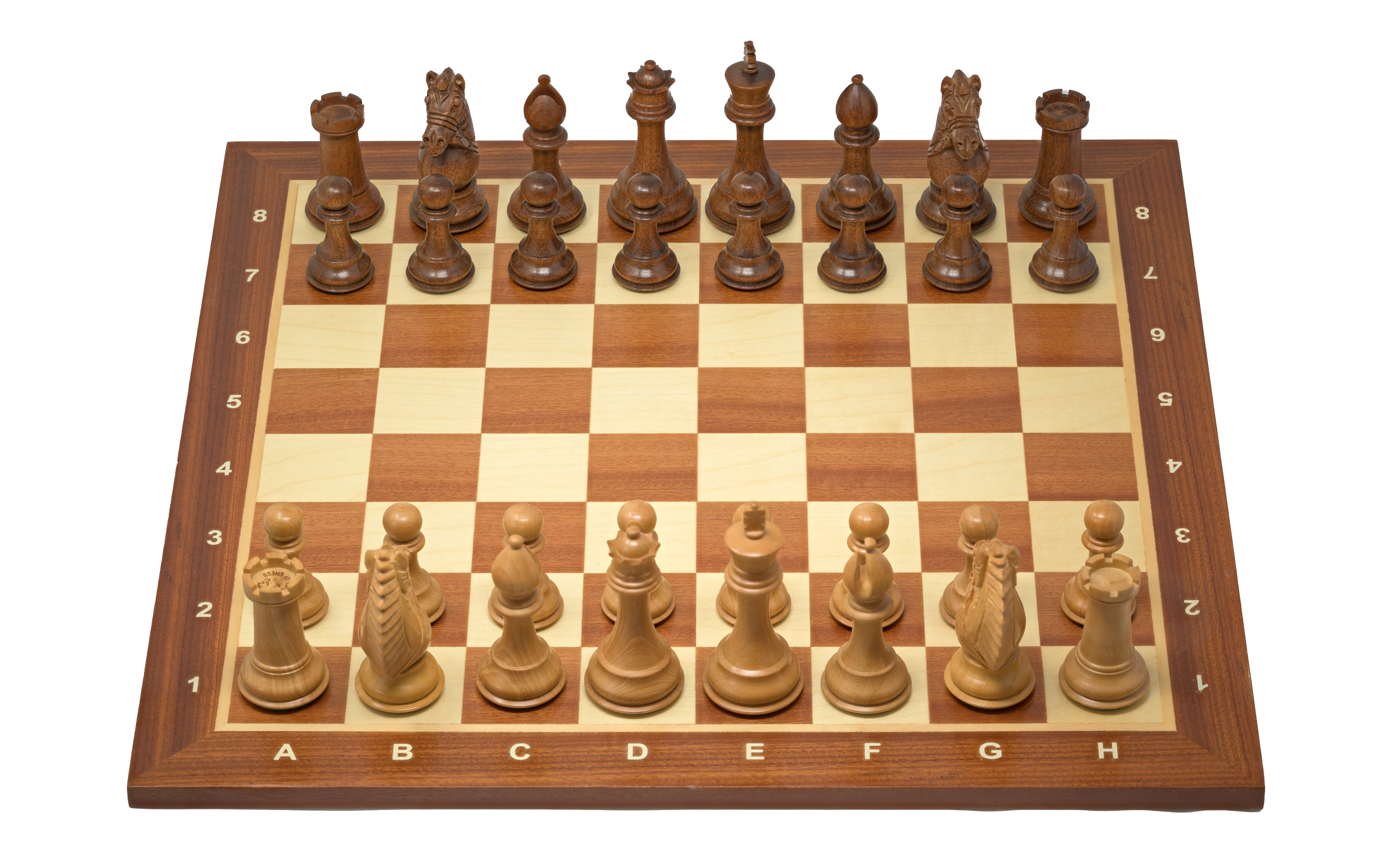
What balance is protecting against
Two failure modes recur in tabletop design. The first is a dominant strategy: one line of play that beats the alternatives often enough that experienced players converge on it. The second is a runaway leader: a game state where being ahead makes it easier to stay ahead, so the outcome is settled long before the final turn.
Long-lived abstract games are useful here because they have been stress-tested over generations of play. Their balance is not a marketing claim; it is the reason the games survived.
Levers designers actually pull
Symmetry
Giving players identical starting resources removes one obvious source of unfairness. Many abstract games start symmetrical and let asymmetry emerge from play.
Catch-up structure
Mechanisms that gently help a trailing player, without handing them the win, keep games competitive to the end.
Action limits
Restricting how much a player can do per turn caps the size of any single advantage and keeps turns readable.
Cost curves
Tying stronger options to higher costs lets powerful plays exist without making them automatically correct.
Testing for balance, not assuming it
Balance is observed, not declared. The common practice is repeated playtesting with notes on which strategies win and how often, followed by adjustment. A simplified loop looks like this:
The loop never proves perfect balance. It reduces the most visible imbalances until the remaining differences are small enough that player skill, rather than the rule set, decides games.
Scaling to more players
A rule set that is balanced for two players can break at four. With more players, kingmaking becomes possible, where a player who cannot win still decides who does. Designers address this with turn structures that limit how directly one player can target another, and with scoring that stays meaningful even when a player falls behind.
For accessible background on game theory and strategy concepts referenced here, see Wikipedia's overview of game theory and the Stanford Encyclopedia of Philosophy.